
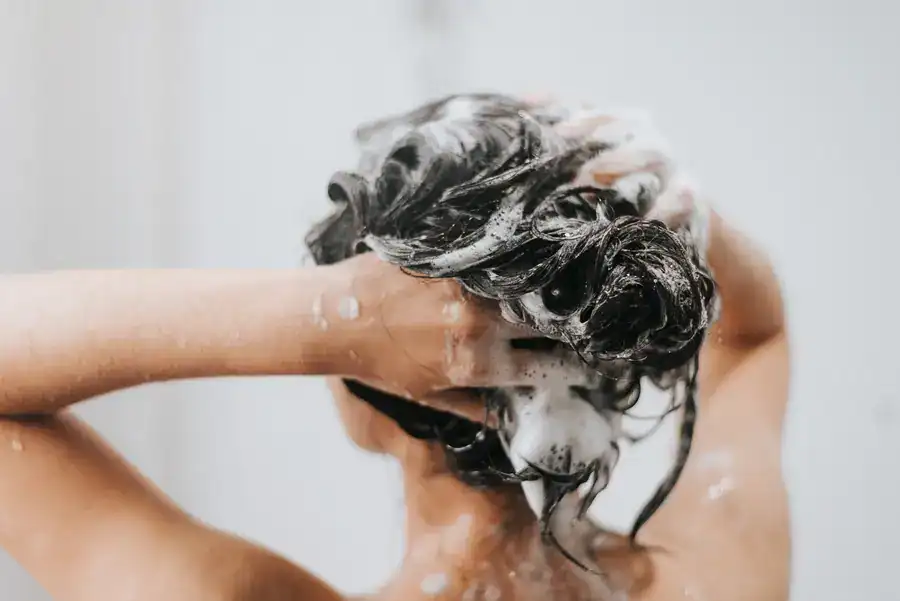
A flaky scalp is something that many people experience at some point. It can feel uncomfortable, cause itching, and sometimes even affect confidence. While it is often mistaken for dandruff, a flaky scalp can be triggered by a variety of factors and does not always mean a serious condition. Understanding what might be behind the problem is the first step to restoring balance and comfort.
Common Causes of a Flaky Scalp
One of the most frequent reasons for flakes is dryness. Just as skin on the rest of the body can become dry, the scalp can too. This is especially common in the colder months when central heating and chilly air reduce moisture levels.
Another cause can be product buildup. Regular use of styling products, shampoos, or conditioners with heavy ingredients may leave residue behind, which can clog pores and lead to flaking. Washing your hair too often or not rinsing it properly may exacerbate the issue.
Sensitivity is also a factor for some people. Certain ingredients in shampoos or conditioners, especially those with strong fragrances or sulphates, can irritate the scalp. This irritation often results in itching, redness, and flaking.
Finally, there are natural changes in the body that can affect scalp health. Hormonal shifts, stress, or changes in diet can alter the condition of your scalp, leading to dryness or sensitivity.
Natural Shampoos and Gentle Cleansing
Switching to a natural shampoo can make a noticeable difference. Many commercial shampoos rely on harsh detergents to create lather, but these can strip away your scalp’s natural oils. Natural shampoos typically contain milder, plant-based cleansers that gently clean without causing unnecessary dryness. Ingredients such as aloe vera, chamomile, and tea tree are known for their soothing qualities.
It is also helpful to wash hair less frequently. Allowing the scalp time to produce its natural oils can help maintain balance. When washing your hair, rinsing thoroughly is essential to ensure no shampoo or conditioner remains.
The Role of Natural Oils
Applying oils to the scalp can provide moisture and comfort. Coconut oil is one of the most widely used, as it penetrates the hair shaft and nourishes the skin beneath. Olive oil and jojoba oil are also gentle choices that help reduce dryness.
To use, simply warm a small amount of oil and massage it gently into the scalp. Leaving it in for at least half an hour before washing can give the best results. Regular use, once or twice a week, can gradually improve the condition of the scalp.
Herbal Rinses and Simple Home Remedies
Herbal rinses are another natural way to calm a flaky scalp. Chamomile tea, when cooled and used as a rinse, has soothing properties. Rosemary and nettle are often used to stimulate circulation and support scalp health.
Apple cider vinegar diluted with water is also a traditional remedy. It helps restore the natural pH of the scalp and reduces product buildup. Using it as a final rinse after shampooing can leave the scalp feeling fresh and clean.
Building Healthy Scalp Habits
Alongside natural treatments, adopting healthy habits can also support scalp health. Drinking plenty of water, eating a balanced diet rich in vitamins and healthy fats, and managing stress all contribute to the overall health of your skin and scalp. Avoiding scratching, even when itching is present, is also important as it prevents further irritation.
Finding What Works Best
Every scalp is different, so what works well for one person may not be as effective for another. Trying a combination of natural shampoos, oils, and herbal rinses can help find the right approach. By focusing on gentle care and avoiding harsh chemicals, it is possible to reduce flaking and restore comfort.